

A little bit over a year ago, March 2024 to be exact, Google renamed “conversions” to “key events” in Google Analytics 4 (GA4) to address confusion from mismatched conversion reporting between GA4 and Google Ads. Google stated that the change aims to standardize terminology and improve clarity across platforms, though some marketers, including myself, note that data discrepancies and attribution issues persist.
Why the Change?
Addressing Reporting Discrepancies: GA4 tracked conversions based on actual user actions (e.g., purchases, form submissions, phone calls), while Google Ads used predictive modeling to include estimated conversions (e.g., map directions, store visits, local actions), causing data mismatches. Renaming GA4 conversions to “key events” distinguishes them from Google Ads conversions, aiming for consistent reporting when key events are imported into Ads.
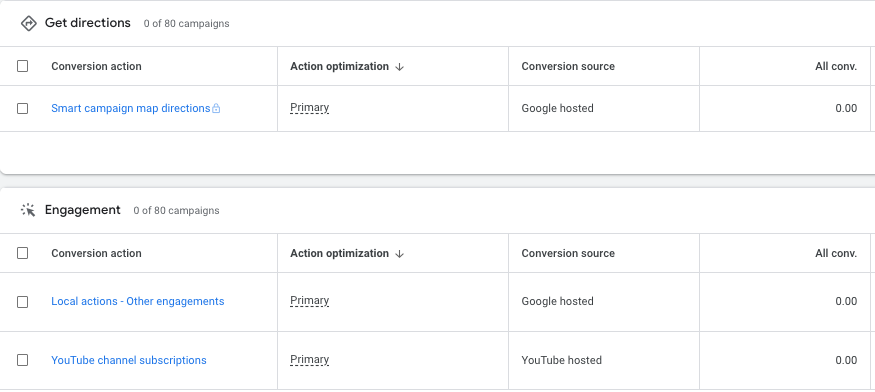
Google Ads Predictive Modeling
This reporting discrepancy meant that a marketer looking at conversion data in GA4 might see a lower number than in Google Ads for the same campaign, creating confusion when evaluating performance. For example, a campaign driving 50 e-commerce purchases in GA4 might show 76 conversions in Google Ads due to additional modeled conversions like store visits.
For effective Google Ads goal tracking, marketers should review their goals in Google Ads, eliminate any unnecessary ones, and reassign less critical goals to secondary status as needed.
Aligning with GA4’s Event-Based Framework: Unlike Universal Analytics’ session-based model, GA4 operates on an event-driven system. “Key events” reflect this by tracking user actions (e.g., purchases, form submissions) as key performance indicators.
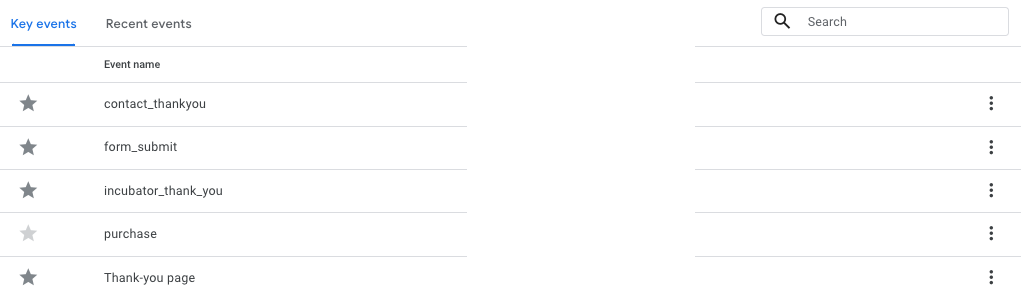
Improved Cross-Platform Integration: Marketers can create key events in GA4 and sync them as conversions in Google Ads, aligning attribution and enhancing campaign optimization. This helps reduce confusion in tracking performance across platforms.
Impact of the Change
- No Setup Changes Needed: Existing conversions automatically became key events in GA4, with historical data preserved.
- Updated Metrics: Terms like “session conversion rate” are now “session key event rate,” but functionality is unchanged.
Mixed Reception
While intended to boost clarity and flexibility, some marketers find the change insufficient to resolve ongoing attribution and data discrepancy issues between GA4 and Google Ads. As with many Google updates, the shift from “conversions” to “key events” may feel confusing, but adapting is essential for those of us operating within the Google ecosystem.
Free audits
Find out where your ad spend and leads are leaking
Our free PPC audit digs into your Google Ads account for wasted spend, weak tracking and missed opportunities. Want the bigger picture? A free lead-source mini-audit shows which channels actually bring in your calls and form fills.