
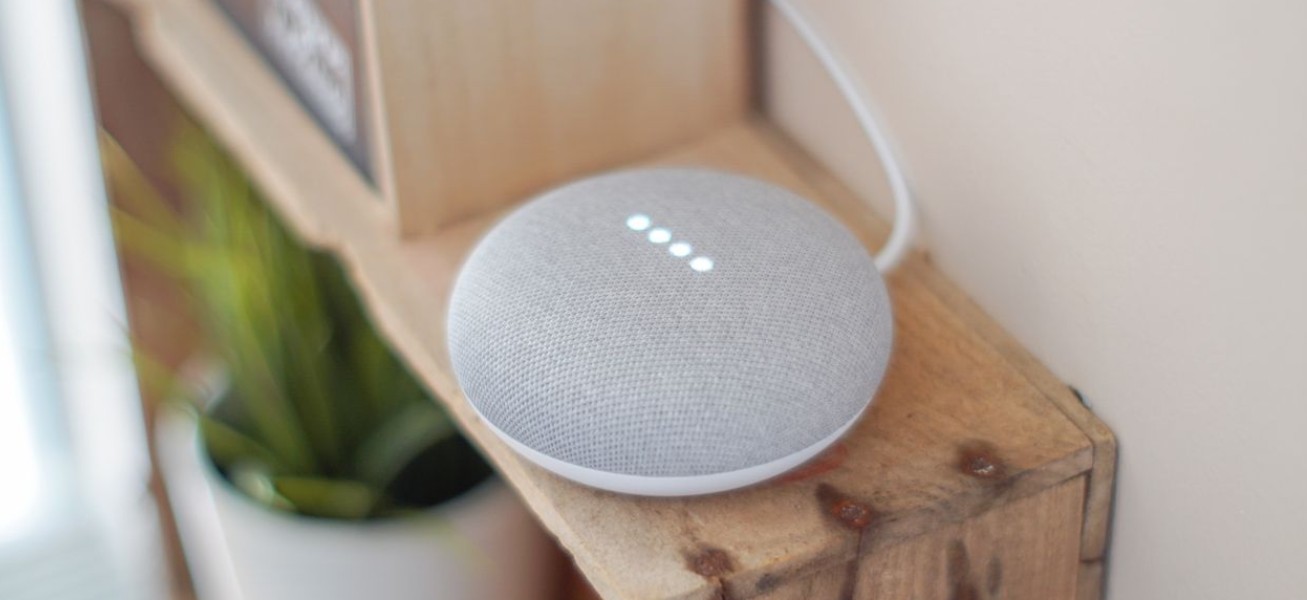
The rise of smart speakers, such as Amazon Echo and Google's Nest devices, has changed the way people interact with technology. Voice search allows consumers to find information, control devices, and complete everyday tasks without typing a traditional search query.
Smart speaker adoption is no longer growing at the explosive pace seen during the technology's early years, but the devices remain widely used. According to Edison Research's 2025 data, approximately 35% of the U.S. population age 12 and older owns a smart speaker.
For marketers, the broader trend is important because voice assistants are now available across smartphones, vehicles, TVs, computers, and other devices as well as dedicated smart speakers.
What Is SEO?
SEO stands for search engine optimization. It refers to the process of improving a website and its content so that it can become more visible in search engines when users look for relevant information, products, or services.
In short, SEO is about getting the right content in front of the right people at the right time.
It involves improving elements such as:
- Website content
- Technical performance
- Page structure
- Internal linking
- User experience
- Authority and trust
- Local search signals
Voice search does not replace traditional SEO, but it changes the types of questions people ask and the way marketers should think about search intent.
Voice Search Is Evolving
Voice search has matured considerably since smart speakers were first introduced.
People often communicate differently when speaking than when typing. A typed search might be:
pizza delivery Fairfax
A voice search might sound more like:
Where can I get pizza delivered near me right now?
Voice interactions therefore tend to encourage more conversational, question-based searches.
This makes it increasingly important for businesses to create content that clearly answers the questions their customers are actually asking.
Voice assistants are also no longer limited to speakers. Research from Edison Research and NPR found widespread use of voice assistants across smartphones, smart speakers, TV remotes, vehicles, computers, and tablets.
For SEO, this means voice optimization should be viewed as part of a broader search strategy rather than a separate tactic designed exclusively for smart speakers.
Focus on Conversational Search Queries
One of the clearest SEO implications of voice search is the growing importance of natural-language queries.
Instead of optimizing solely around short keyword phrases, businesses should also consider:
- Questions customers regularly ask
- Long-tail search terms
- Local queries
- Comparison searches
- Pricing questions
- How-to queries
- Product and service questions
For example, instead of creating content only around:
roof replacement cost
you might also answer:
How much does it cost to replace a roof in Northern Virginia?
This type of content is useful for traditional search, voice search, and increasingly conversational AI-powered search experiences.
Create Clear and Direct Answers
Voice assistants often need to identify a concise answer to a user's question.
That makes clear content structure important.
Use descriptive headings that reflect real questions and provide direct answers near the beginning of relevant sections.
For example:
How Long Does Roof Replacement Take?
Most residential roof replacements can be completed within one to several days, depending on the size of the roof, materials, weather, and complexity of the project.
You can then provide additional detail underneath.
This structure makes content easier for users to scan and easier for search systems to interpret.
Optimize for Local Voice Searches
Voice search is particularly relevant for local businesses because many spoken searches involve immediate needs.
Common examples include:
- Restaurants near me
- Plumber open now
- Dentist near me
- Where can I buy flowers nearby?
- What time does this business close?
- Who delivers food near me?
Businesses should maintain accurate local information across their website and Google Business Profile.
Important information includes:
- Business name
- Address
- Phone number
- Opening hours
- Services
- Service areas
- Business categories
- Reviews
Google explains that complete and accurate business information can improve local search visibility, making these fundamentals important for both typed and voice-driven local searches.
Build Strong Service and Category Pages
Smart speakers do not require websites to use a special page structure, but clear site architecture still matters.
Strong service and category pages help search engines understand what your business offers and make it easier to connect specific searches with the most relevant page.
These pages should:
- Clearly describe the service or category
- Address common customer questions
- Link to related pages
- Use descriptive headings
- Include relevant locations where appropriate
- Provide an obvious next step
Avoid creating broad pages that attempt to cover every subject without providing enough useful information about any individual topic.
Create Useful Product Pages
E-commerce websites should also ensure product pages contain enough information to answer common customer questions.
Strong product pages may include:
- Clear product names
- Detailed specifications
- Pricing
- Availability
- Product images
- Shipping information
- Reviews
- Frequently asked questions
- Related products
The goal is not necessarily to make product descriptions short. Instead, provide enough information to satisfy the user's intent while keeping the content easy to navigate.
Keep Your Website Easy to Navigate
Voice search does not mean users will stop visiting websites.
When a user does click through, the website still needs to make information easy to find.
Maintain:
- Clear navigation
- Logical page hierarchy
- Descriptive internal links
- Mobile-friendly layouts
- Fast loading speeds
- Readable headings
- Strong calls to action
Users who arrive from conversational or voice-driven searches may be looking for a very specific answer, so important information should not be buried several pages deep.
Improve Mobile Performance
Voice searches frequently happen on smartphones and other mobile devices.
A website that performs poorly on mobile can create problems regardless of how the original search was conducted.
Businesses should pay attention to Google's Core Web Vitals and page experience guidance, including loading performance, usability, security, and intrusive page elements.
Fast, responsive pages provide a better experience for both traditional and voice-search users.
Use Structured Data Where Appropriate
Structured data can help search engines understand specific information about a page and the entities it represents.
Depending on the website, relevant structured data may include:
- Organization
- LocalBusiness
- Product
- Article
- BreadcrumbList
- Event
- VideoObject
Google maintains an updated list of structured data features supported in Search.
Structured data should accurately represent the visible content of the page rather than being added solely for voice search.
Smart Speakers Are Part of a Larger Search Shift
Smart speakers have changed how people interact with information, but their biggest SEO impact is part of a much broader shift toward conversational search.
Users increasingly expect to search naturally, ask detailed questions, and receive relevant answers quickly.
For businesses, the fundamentals remain familiar:
- Understand what customers are asking
- Create content that answers those questions
- Maintain strong local information
- Build logical website architecture
- Optimize for mobile users
- Make important information clear and easy to find
Voice assistants and smart speakers do not require an entirely separate SEO strategy. Instead, they reinforce the importance of creating useful, structured, conversational content that matches how real people search.
Free audits
Find out where your ad spend and leads are leaking
Our free PPC audit digs into your Google Ads account for wasted spend, weak tracking and missed opportunities. Want the bigger picture? A free lead-source mini-audit shows which channels actually bring in your calls and form fills.