

In 2011, we wrote a blog post declaring “Content is Still King” when it comes to SEO, and in 2025, that statement is more accurate than ever. While SEO has evolved with new algorithms, AI tools, and user behaviors, one truth remains: properly optimized, high-quality content is still at the heart of a successful digital marketing strategy.
Why Content Still Reigns Supreme
Google’s algorithm may be smarter today thanks to RankBrain and machine learning, but its goal hasn’t changed: deliver the most relevant, useful, and trustworthy information to users. And how does it do that? By evaluating content.
Whether you’re targeting traditional search results or AI-powered experiences like Google’s Search Generative Experience (SGE) and Bing Copilot, content is the fuel that drives visibility.
Great Content Powers Traditional Organic Search
When your website includes well-written, keyword-optimized, and user-focused content, you improve your chances of ranking well in organic search.
Modern SEO content strategy should:
- Answer user intent clearly and directly
- Incorporate semantically relevant keywords
- Provide original insights or expertise
- Be structured for readability and mobile usability
- Encourage engagement through clear CTAs or internal links
Content that’s easy to read and offers real value also lowers bounce rates and increases dwell time, two behavioral signals that RankBrain uses to gauge quality and relevance.
Content Optimization Fuels AI Search Results
AI-driven search results don’t just scan for keywords. They interpret the context of your content. To perform well in AI-generated answers, your content must demonstrate Experience, Expertise, Authoritativeness, and Trustworthiness (E-E-A-T).
This means:
- Writing from a position of real-world experience or subject matter expertise
- Including author bylines and credentials where applicable
- Citing trustworthy sources
- Providing accurate, helpful, and updated information
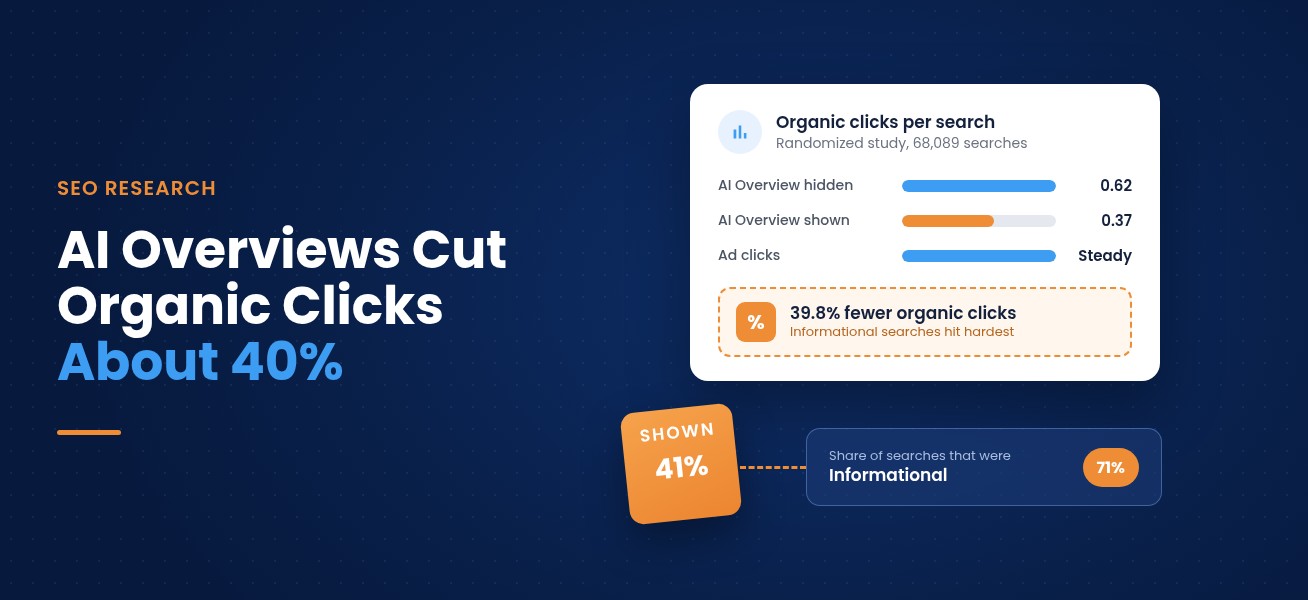
Well-optimized content is now being pulled directly into AI summaries, knowledge panels, and voice search answers, often without the user clicking through. That means your content has to work harder to stand out and deliver value even before a click happens.
LLMO, GEO & the Rise of Generative Search Optimization
As Large Language Models (LLMs) like ChatGPT, Google Gemini, and Claude reshape the search experience, a new discipline has emerged: LLMO (Large Language Model Optimization). LLMO focuses on structuring content in a way that makes it more discoverable, referenceable, and usable by AI models that generate direct answers to user queries.
Closely related is GEO (Generative Engine Optimization), which is the practice of optimizing content for visibility in generative search platforms such as Google’s SGE or Perplexity. These platforms reward content that is clear, factual, and contextually rich. Instead of simply targeting keyword rankings, GEO prioritizes content that can inform AI responses, especially content that includes FAQs, concise definitions, structured data, and expert perspectives.
LLM SEO also involves strategically formatting your content (think headings, bullet points, schema markup, and source citations) to make it more usable and link-worthy in AI-generated summaries. If your content is cited as a source in AI results, it increases visibility, trust, and click-throughs, even when traditional rankings aren’t the primary driver of traffic.
The Future of SEO is Hybrid: Traditional + AI-Driven
In 2025, successful SEO strategies aren’t just about ranking #1 on Google. They’re about:
- Earning visibility in AI-generated search experiences
- Building content hubs that show deep topical expertise
- Maintaining technical health and site speed
- Continuously publishing fresh, helpful content that solves real problems
If your website isn’t publishing expert-level, user-first content backed by SEO best practices, you’re leaving traffic and trust on the table.
Content Strategy in 2025: What’s Working
Here’s what Conversion Pipeline is doing for clients today that’s driving results:
- Topic Clustering: Organizing content into related themes to show depth and expertise
- Schema Markup: Helping search engines better understand and feature your content
- AI + Human Collaboration: Using AI to scale ideation and editing while ensuring human editorial oversight for quality and nuance
- FAQ & Voice Search Optimization: Structuring content to answer natural language queries
- E-E-A-T Alignment: Including author bios, testimonials, case studies, and first-hand insights
Final Thoughts
Fourteen years after we first said “Content is King,” we stand by it. The formats may have changed, from blog posts and landing pages to AI snippets and zero-click searches, but the foundation of good SEO hasn’t. Content that’s useful, relevant, well-optimized, and trustworthy continues to drive both visibility and conversions.
If your content strategy hasn’t evolved with the new era of AI-enhanced search, now’s the time to revisit it. Because in 2025 and beyond, content isn’t just king. It’s your most powerful competitive advantage.
Need help with LLMO, GEO, SEO or advanced content optimization? Contact Conversion Pipeline to develop a strategy that blends traditional SEO with cutting-edge AI search readiness.
Free audits
Find out where your ad spend and leads are leaking
Our free PPC audit digs into your Google Ads account for wasted spend, weak tracking and missed opportunities. Want the bigger picture? A free lead-source mini-audit shows which channels actually bring in your calls and form fills.